

We’ve seen photos documenting the splendor of old Northern Manhattan. Breath-taking mansions of a grander time, now gone except for a forgotten arch or lost driveway meandering around a city park. That these architectural wonders were photographed at all is remarkable.
But to step inside one of these homes, to see the art, the table settings, the beds in which these Captains of Industry slept….Well, for that you would need a time machine.

Luckily, a publishing fad erupted among the rich and famous near the turn of the century in which the millionaire set showcased their wealth in thick, expensive, leather-bound volumes printed in limited, private runs. Cornelius Vanderbilt himself commissioned a twelve volume set documenting his physical wealth. “These volumes were presented to his admiring friends at first, though I think, in later years this distinction was reserved for his enemies.” (Valentine’s Manual, 1928)
Such was the case with the private realm of Cornelius Kingsley Garrison Billings who in 1910 commissioned just such a book allowing a privileged few to inspect his inner sanctum.
Below slide-show of Billings’ home from privately published book.
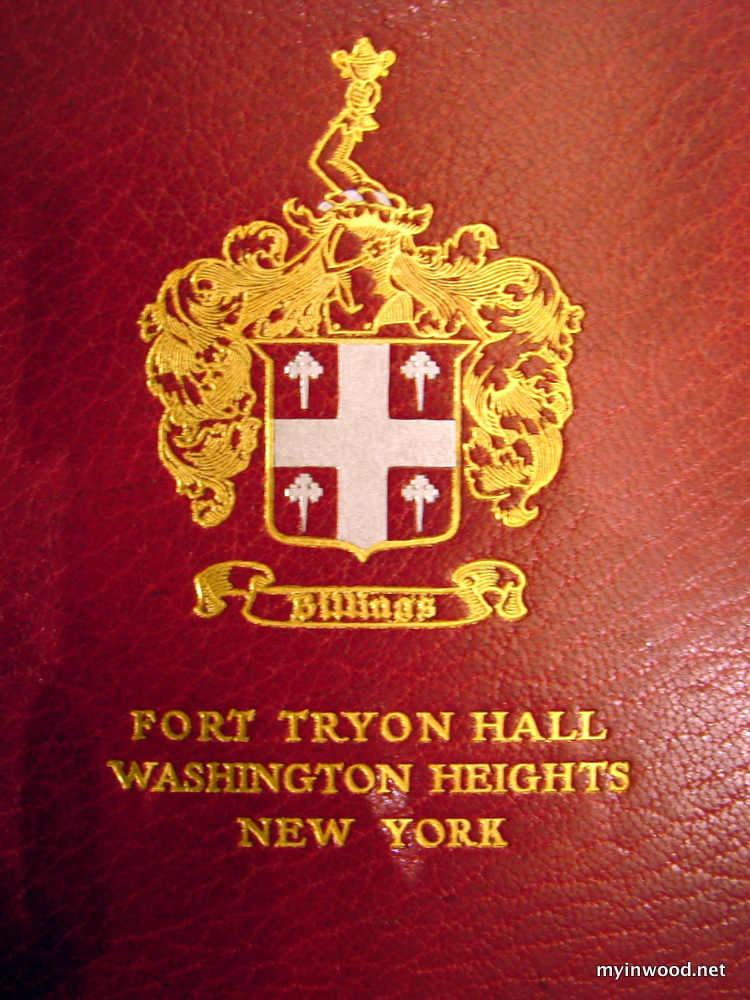
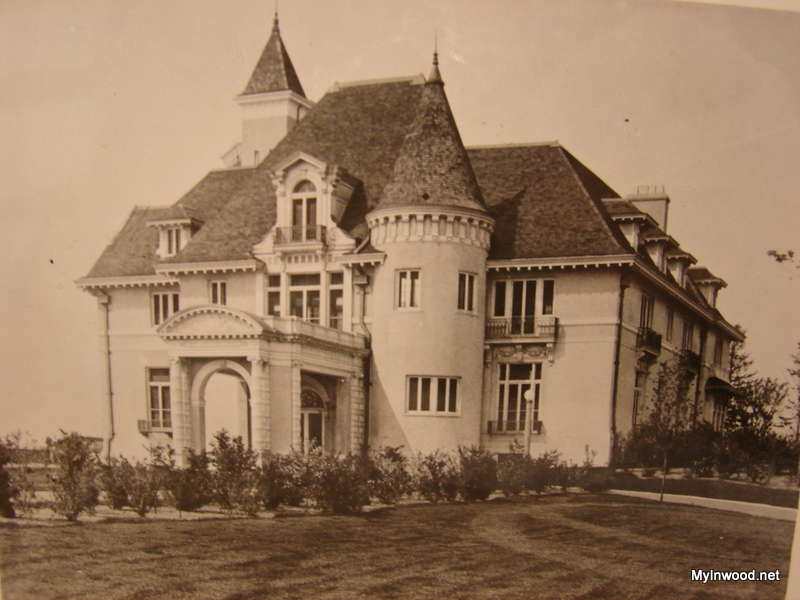
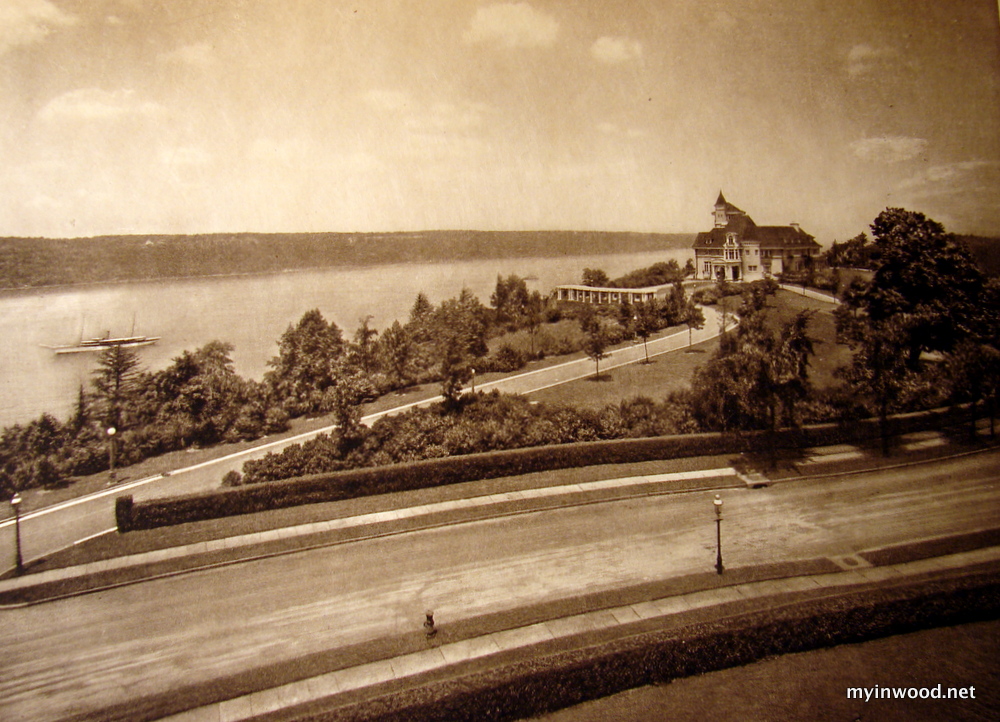
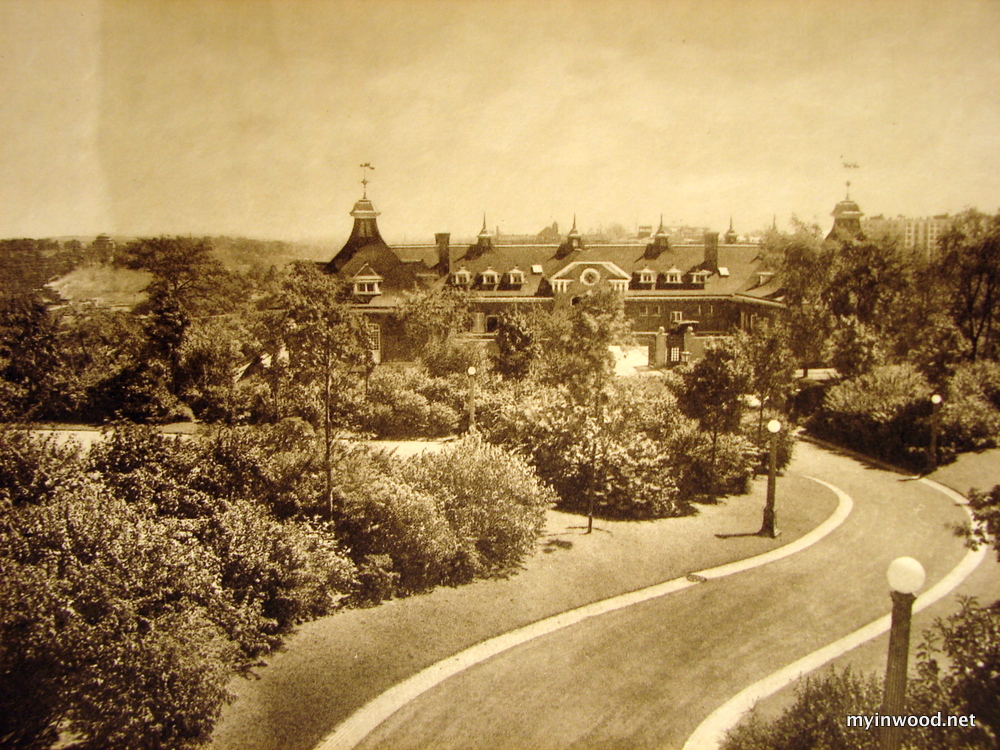
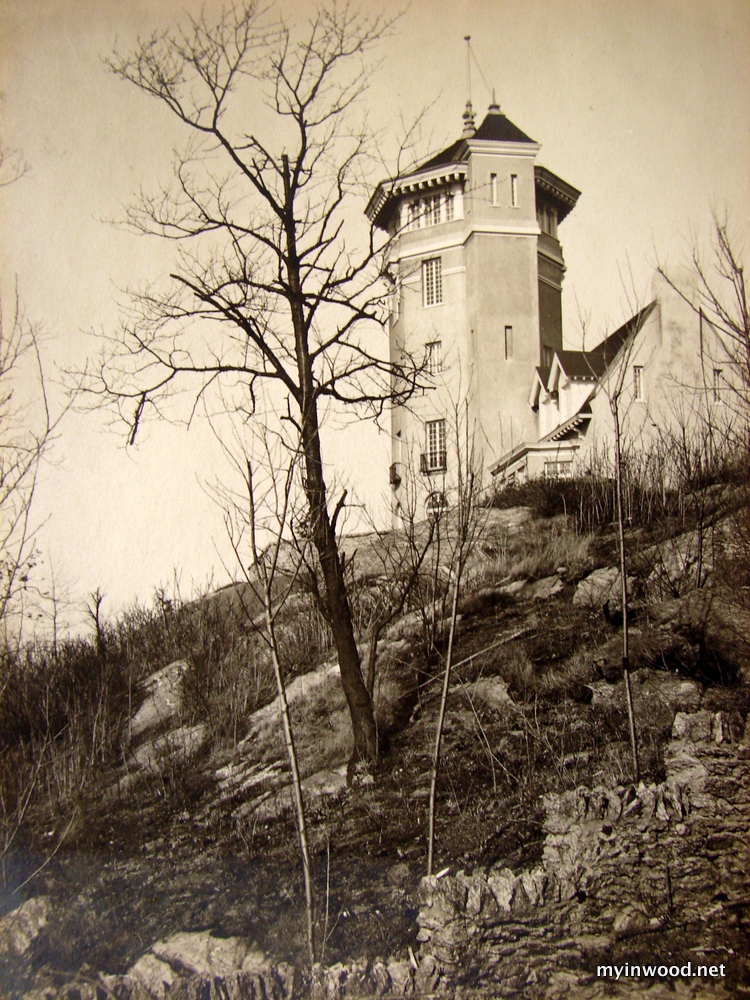
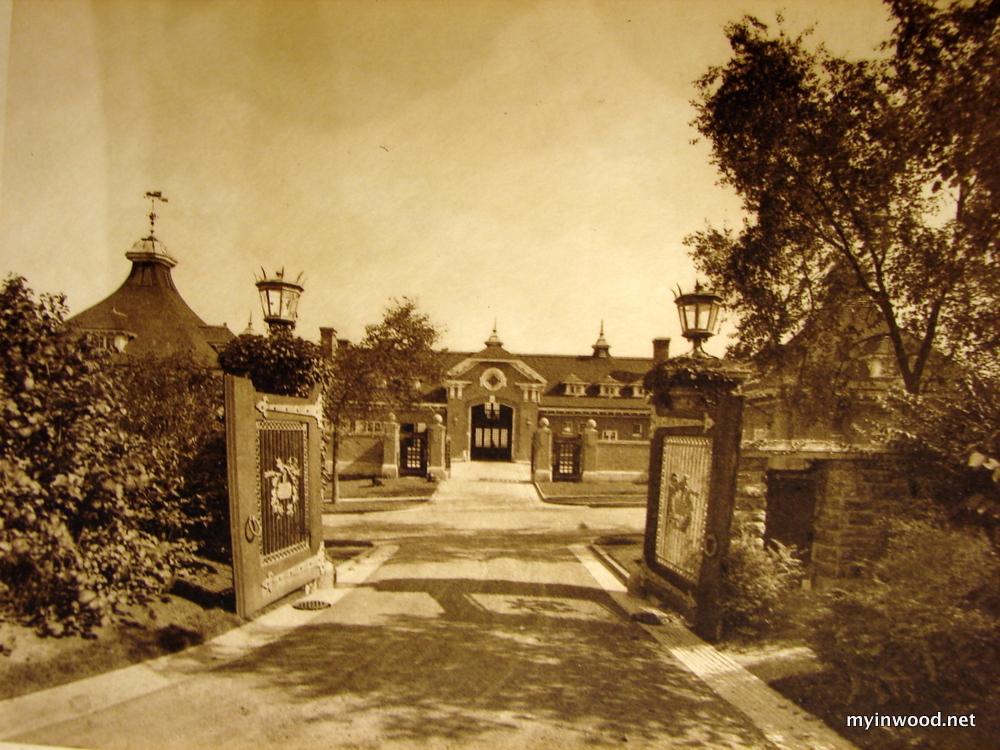
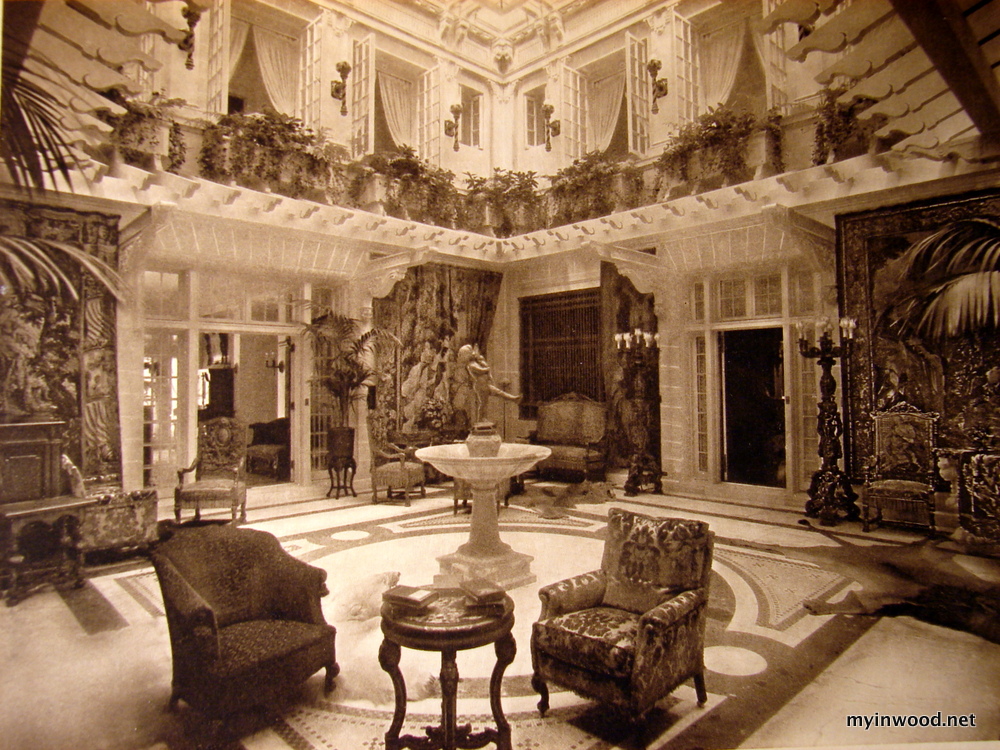
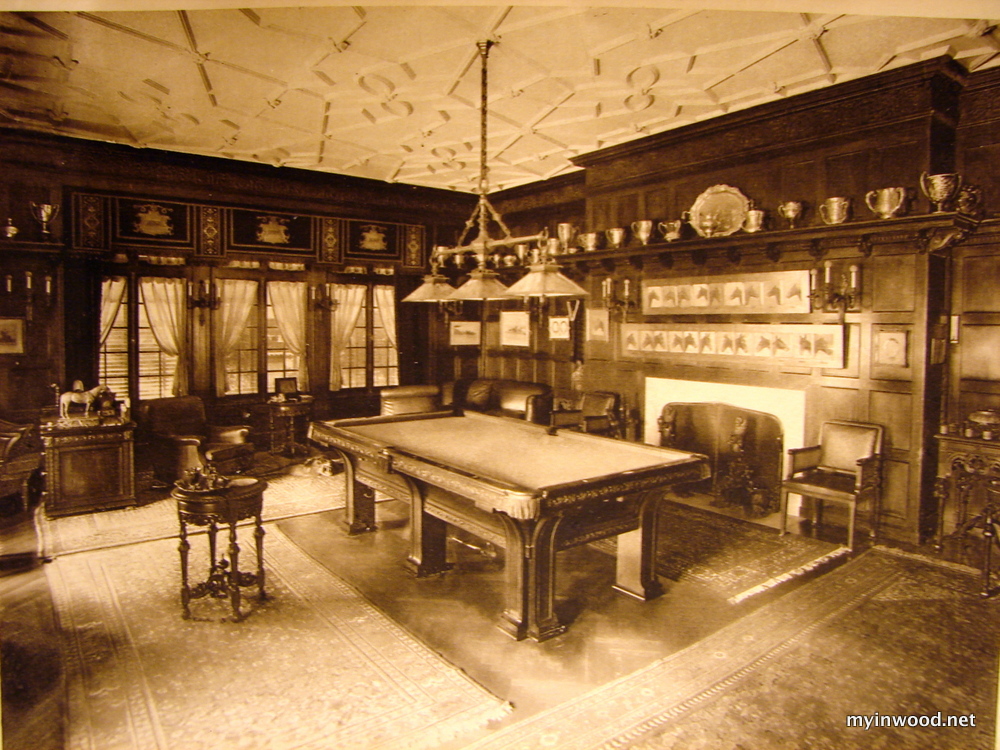
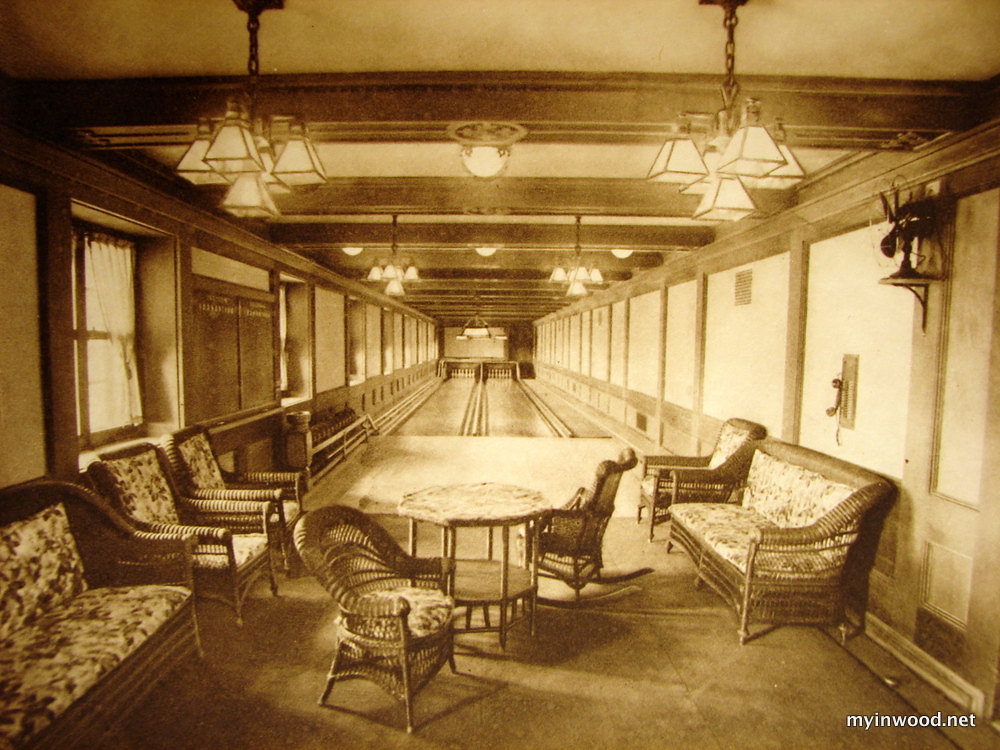
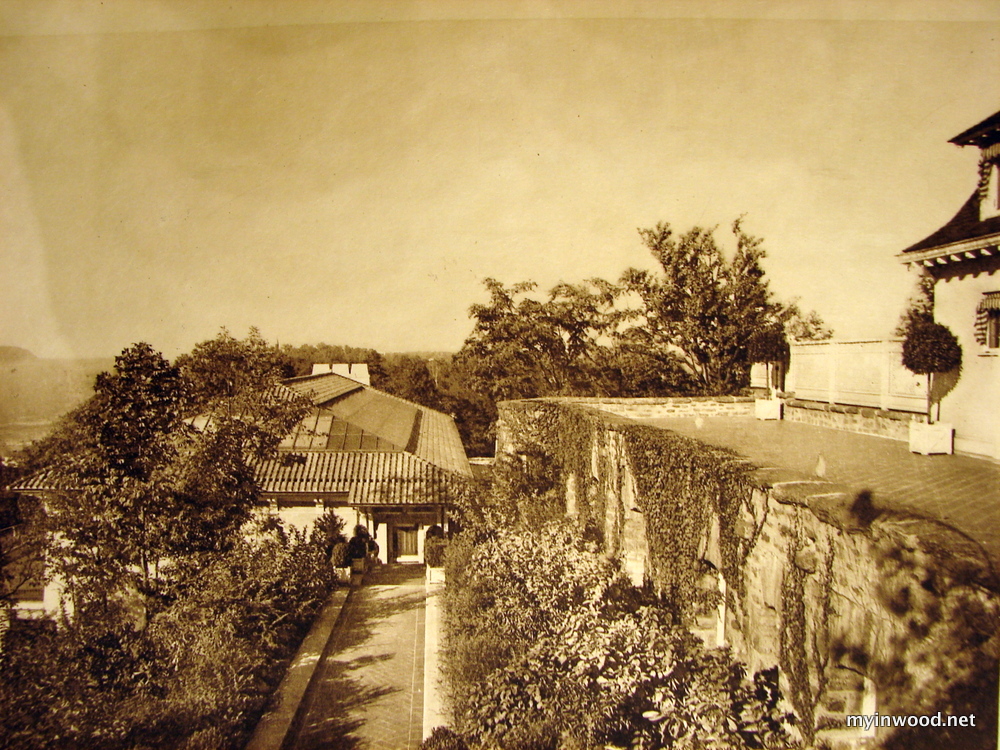
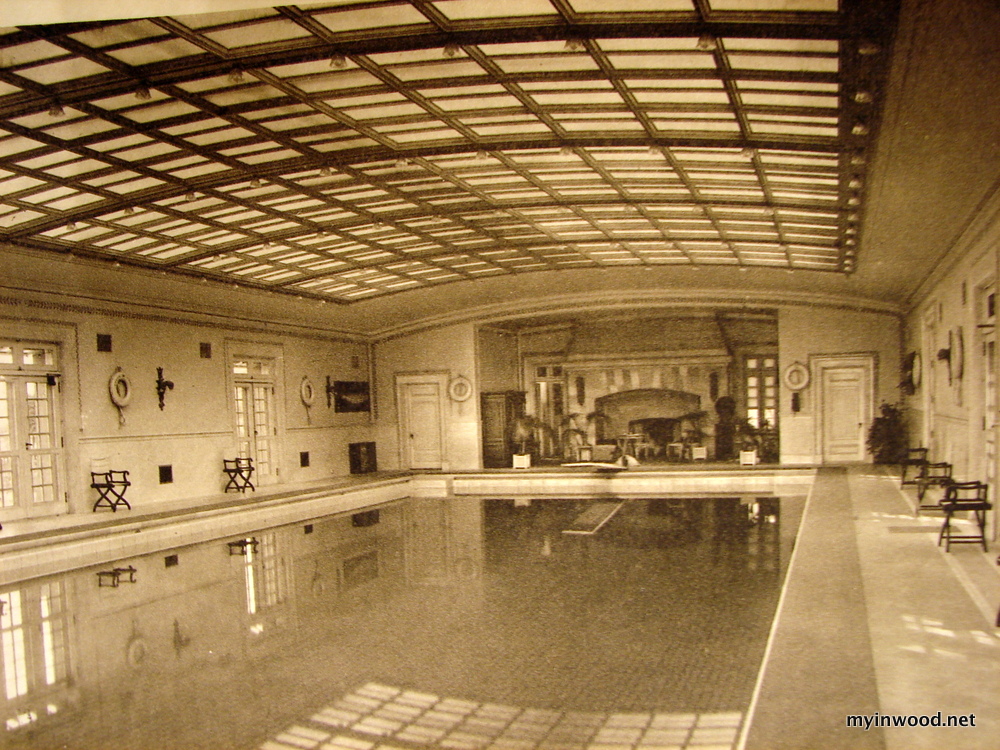
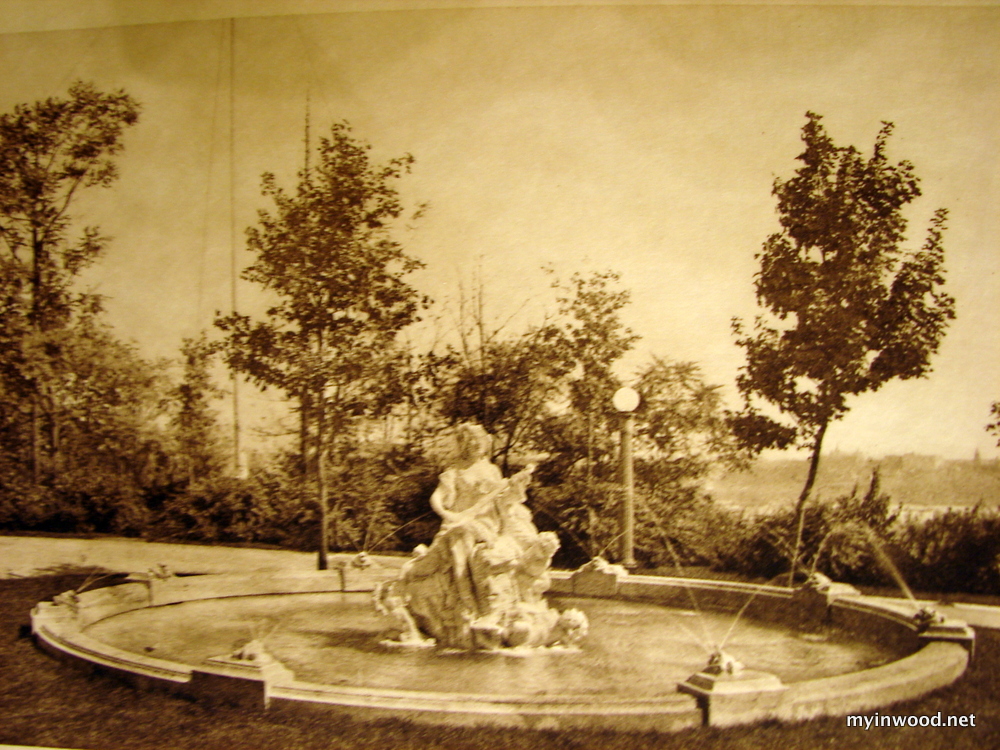
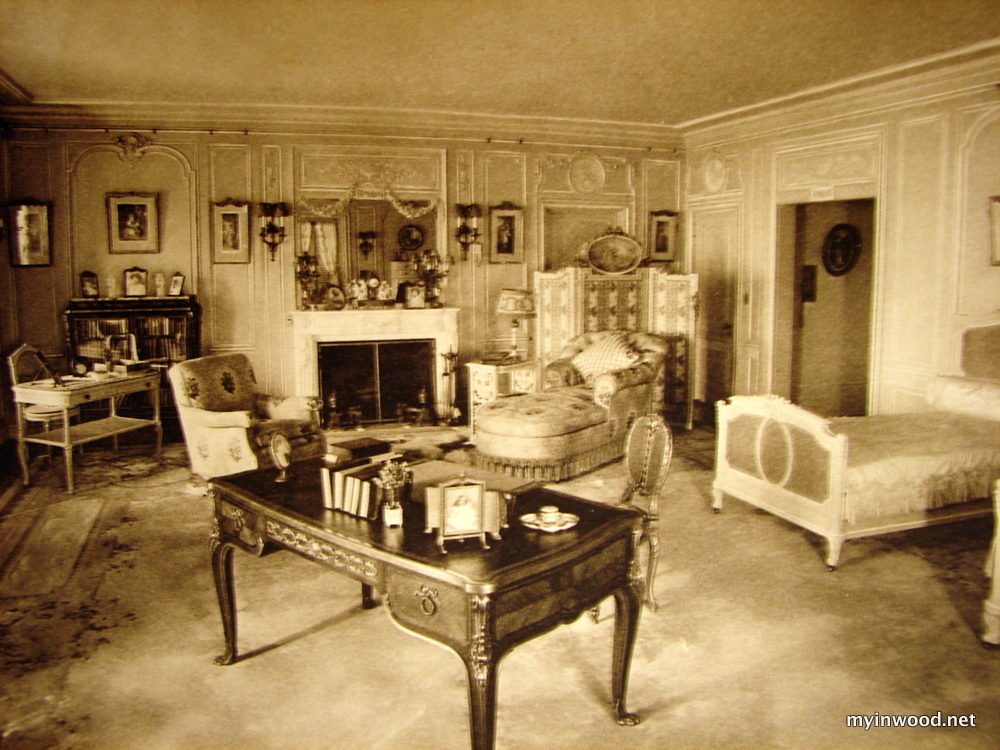
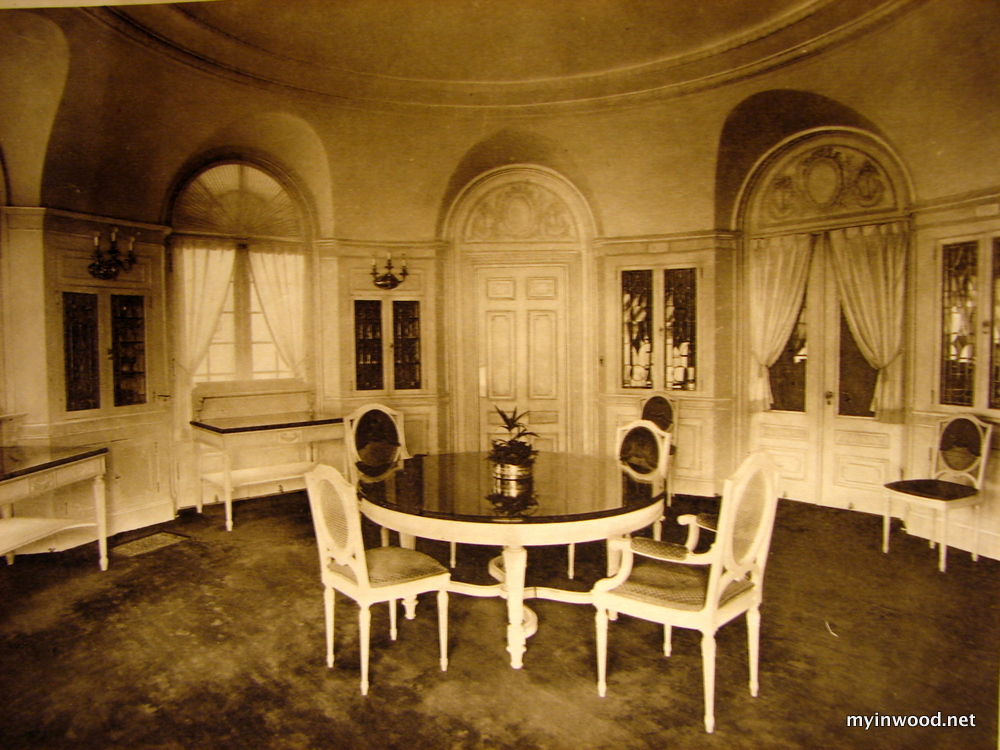

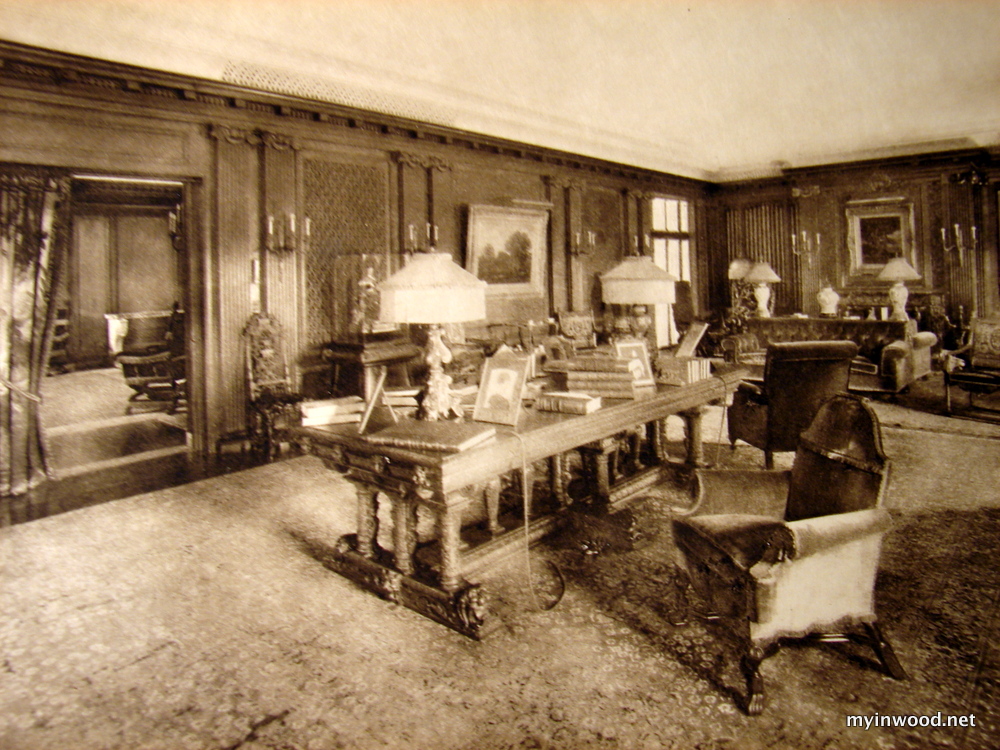
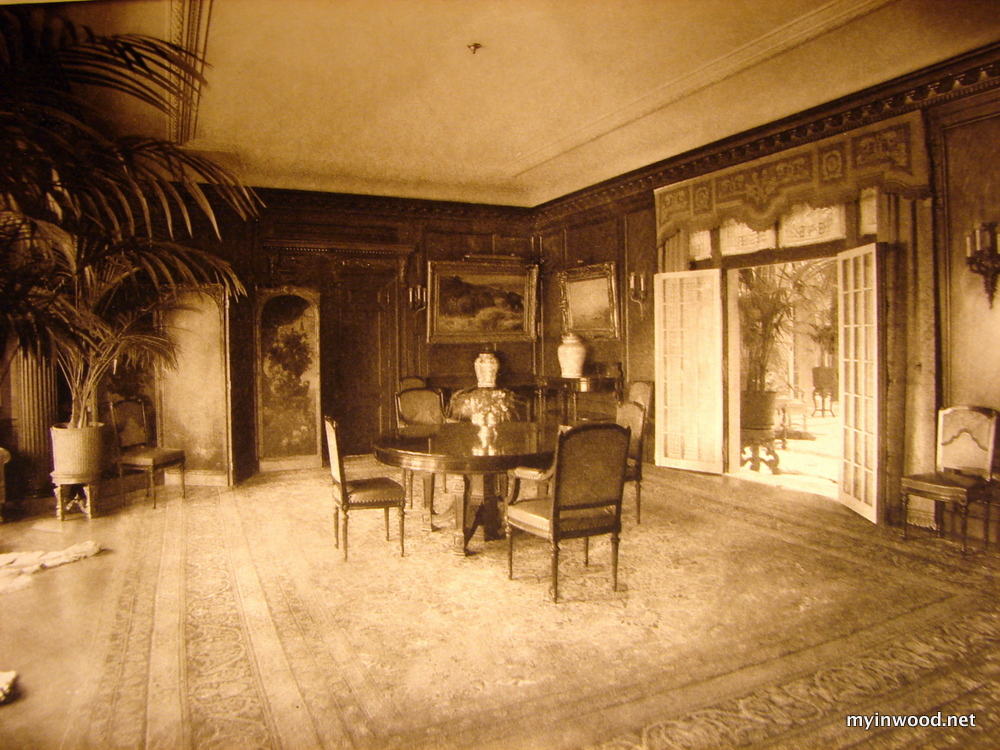
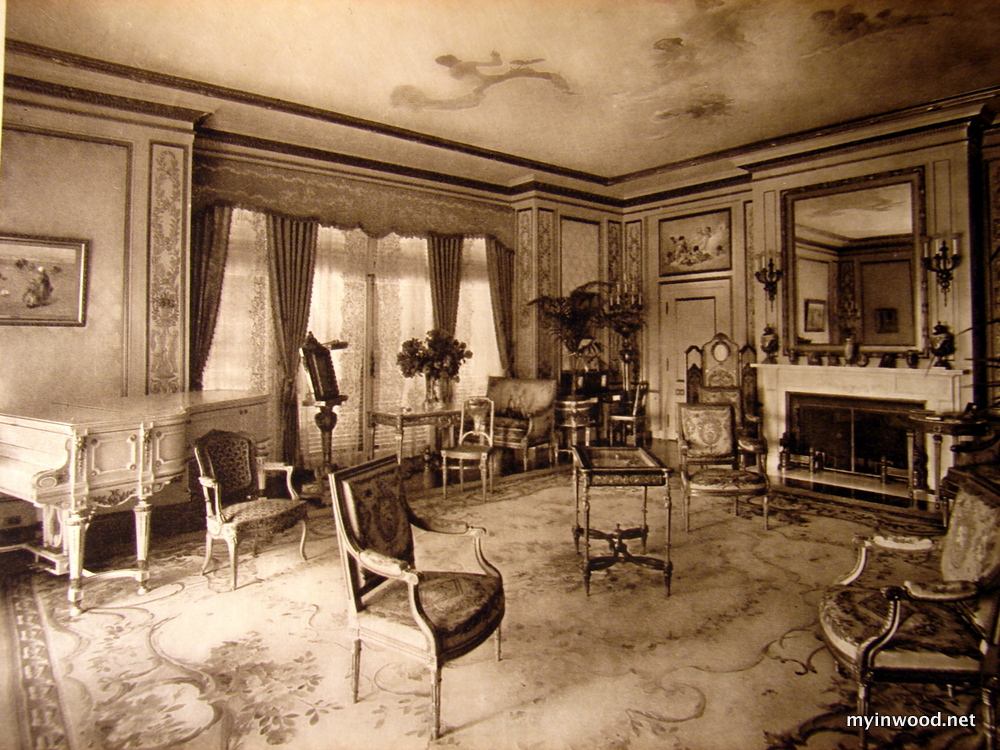
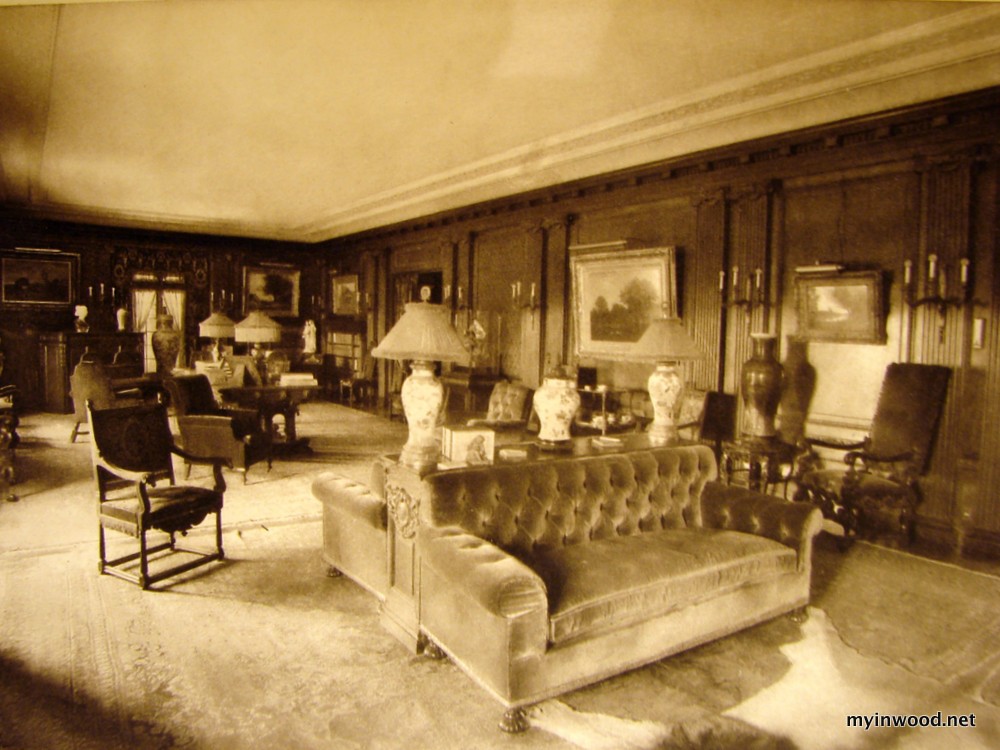
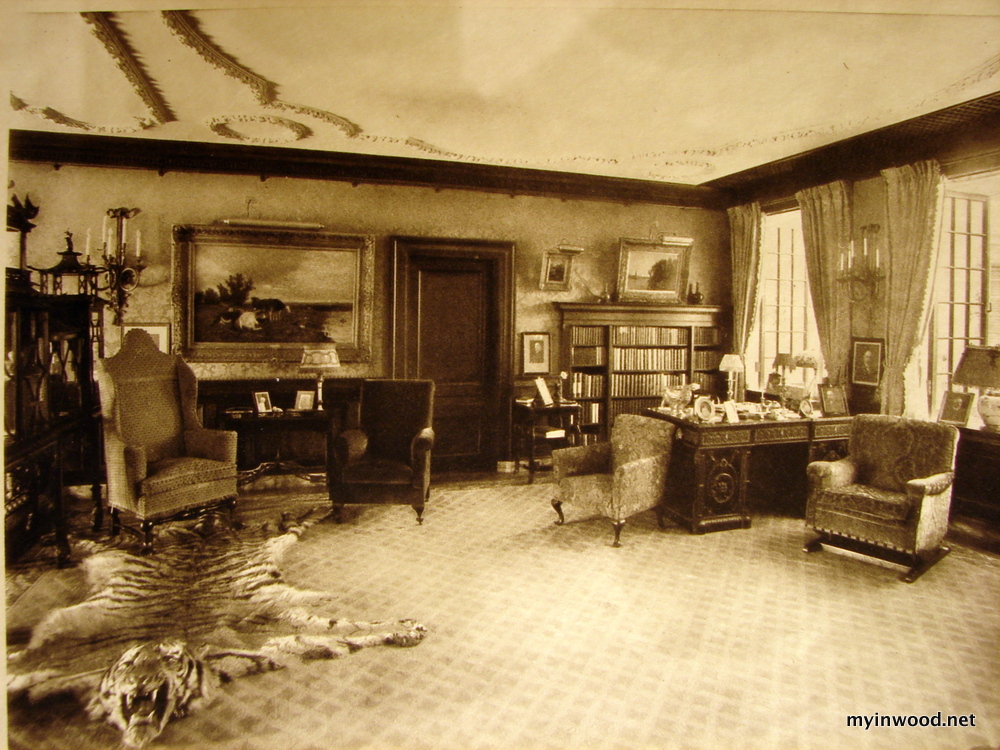
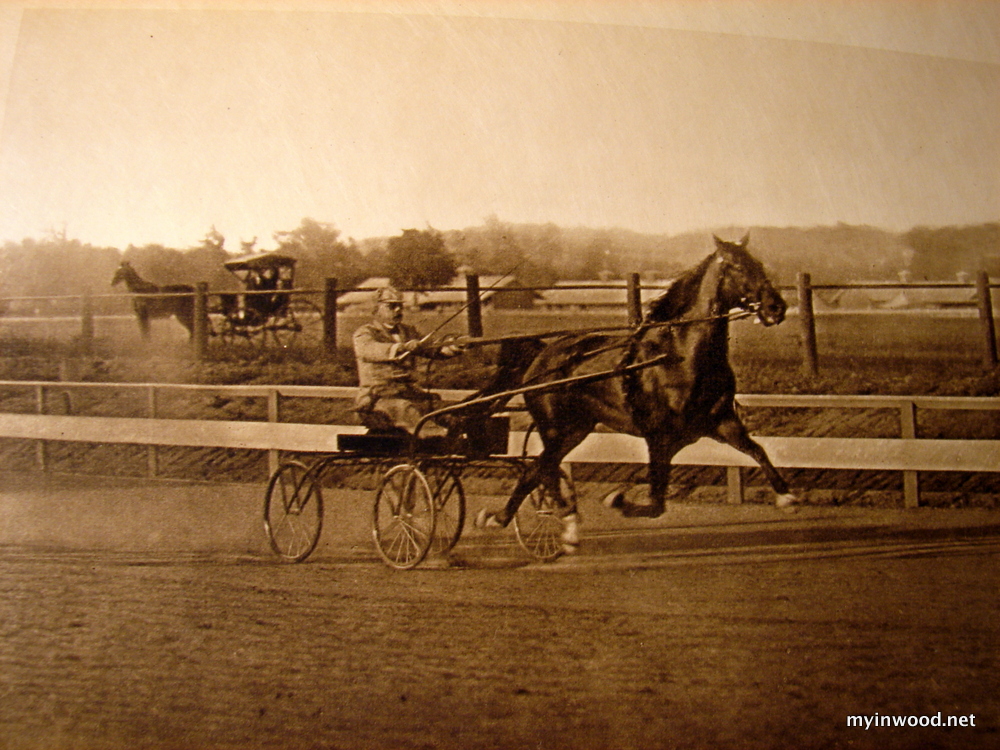
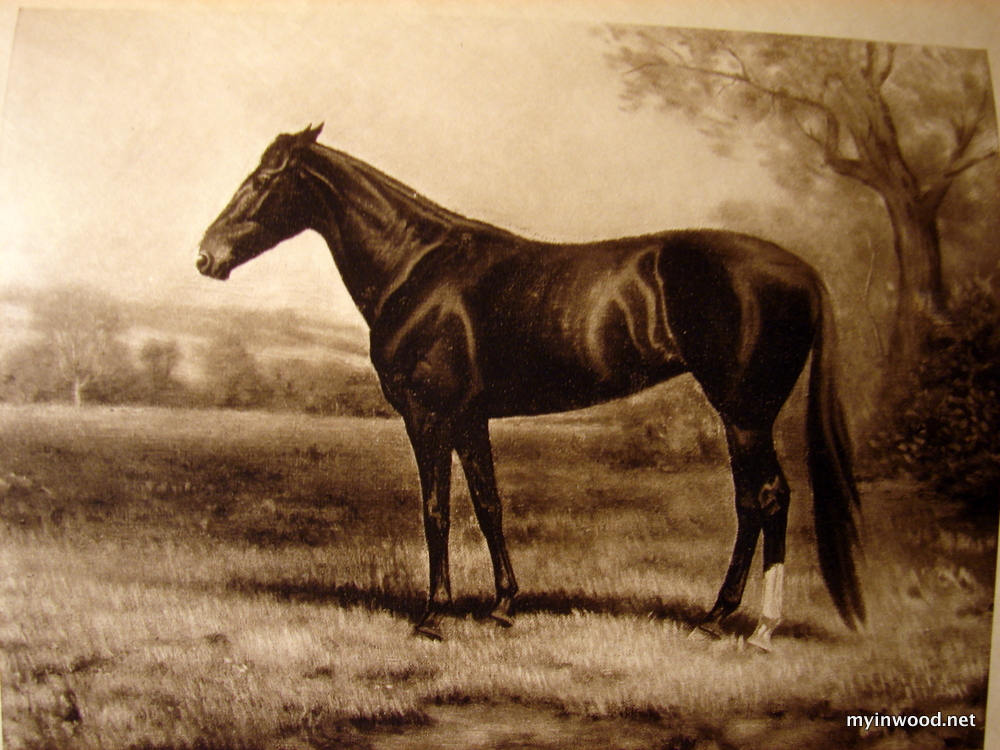
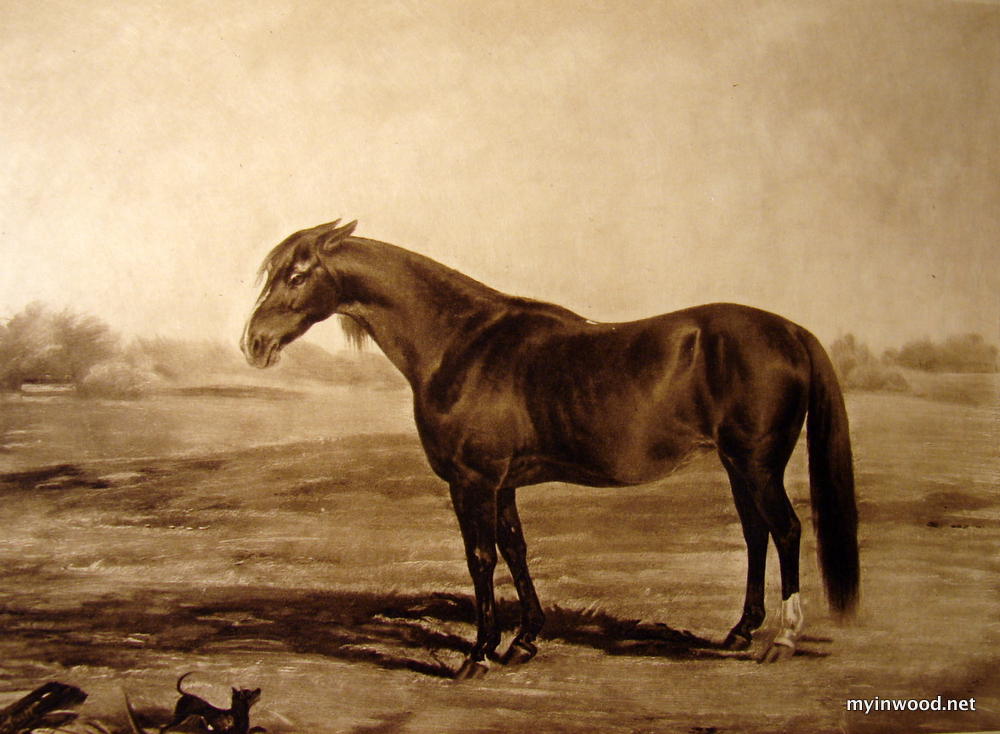
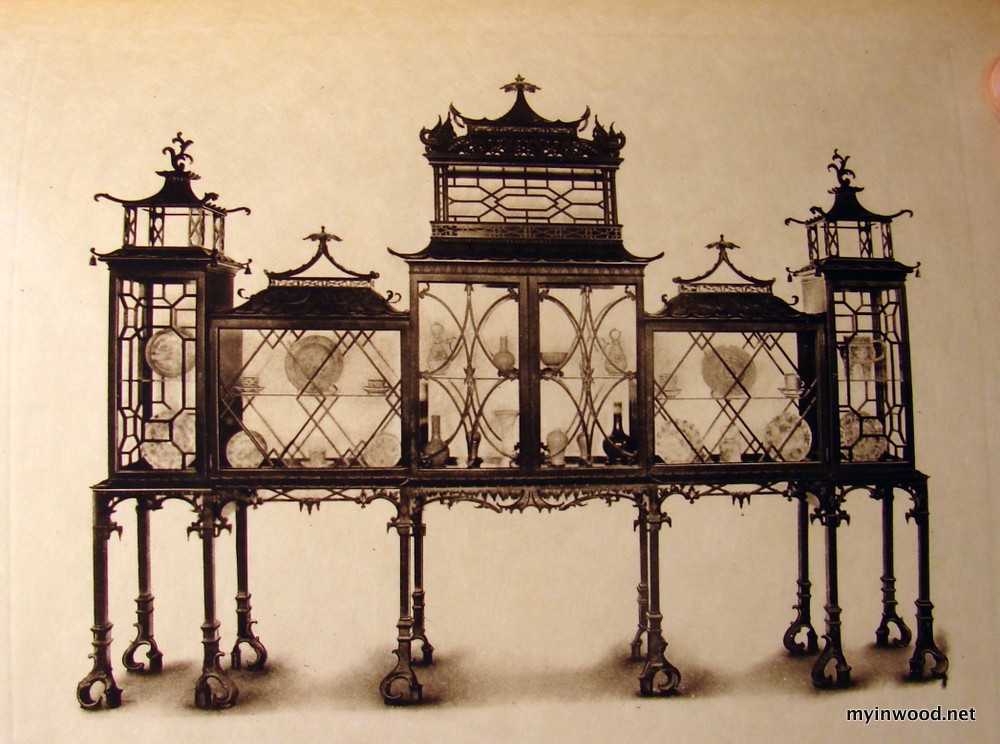
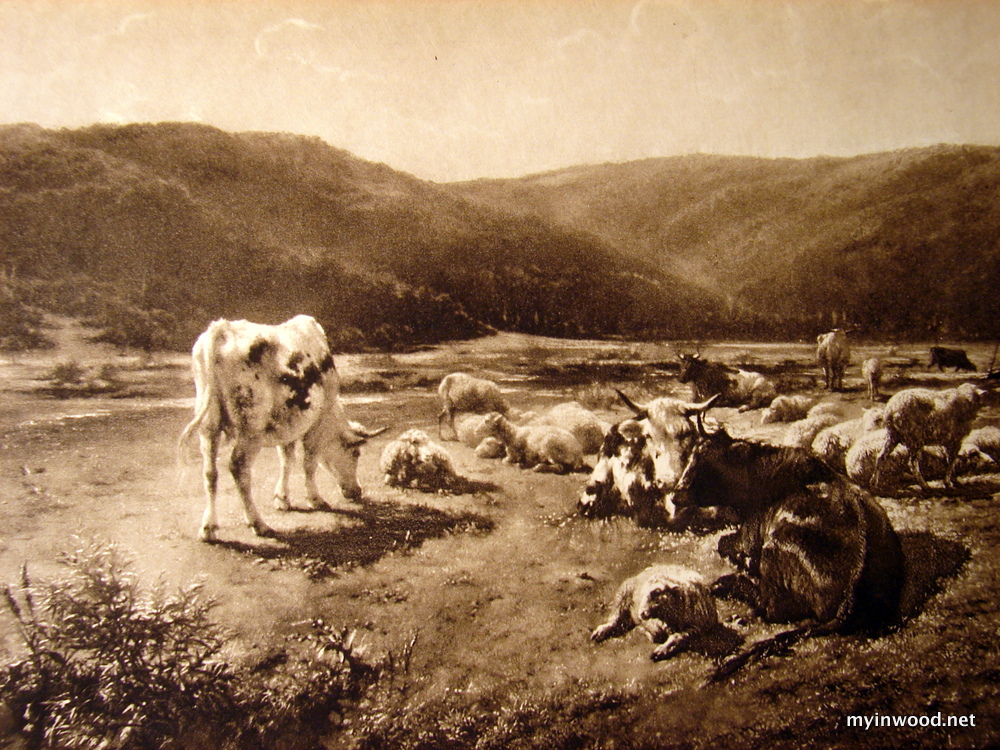
Beginning in the 1901, the forty year old President of the People’s Gas, Light and Coke Company of Chicago retired, pulled up stakes and moved to Manhattan where he would shower New Yorkers with his eccentricity for years to come.
Indulging in yachts and, perhaps most importantly for this story, fast horses, Billings followed the recently opened Harlem River Speedway uptown and quickly fell in love with Manhattan’s northern edge.

He soon set to work on a 25,000 square foot lodge and stables, in what is now Fort Tryon Park, for entertaining guests.

In 1903, his lodge complete, Billings ordered an indoor, full-service, horseback dinner catered by the then famous Sherry’s Restaurant. By popular demand Billings relocated the dinner to Sherry’s midtown ballroom where 36 guests sat atop living, breathing, whinnying horses while waiters dressed as grooms catered to their every whim.

More at ease in Fort Tryon than his 53rd Street home, Billings had architect Guy Lowell build him a proper French-style mansion accessed by an S-shaped driveway that snaked up the bluff looking over the Hudson River.

Completed in 1907, Billings magnificent home had all the trappings of the modern capitalist, a heated swimming pool, a two story squash court lined in maple and even a “fumed oak” bowling alley.
In 1916, Billings sold his beloved estate to John D. Rockefeller, Jr., who planned on destroying the home before donating the land to the City for the creation of Fort Tyron Park. The home was spared the wrecking ball after loud local protest. But like so many monuments to old New York, the home was leveled by a 1926 fire so great the Times reported, it “spouted fire and smoke like a volcano.”
This article on the Billings’ estate would not have been possible without the help, generosity and even encouragement of Inwood enthusiast Don Rice. The book, likely one of only a handful in existence, comes from Don’s private collection. Don, thank you again for sharing this book with me, and, now, the public.






Cole, you may be interested to check the follow up of your story here:
http://www.washington-heights.us/yabbse/index.php?topic=958.msg71693;topicseen#msg71693
Thanks so much for sharing this. I’m a native of Washington Heights and have heard about the estate all of my life and always wondered what it looked like in its day. I was up there today with a friend and decided to do a search and found this page. Wonderful!!!
As a resident of Hudson View Gardens and a history/architecture enthusiast I’ve been keenly interested in the old Billings estate since first walking the driveway under its grand entry arcade off the Hudson Parkway. Who would build such a driveway, and what sort of magnificent house went with such a magnificent entrance? I had found a distant and tantalizing view of the estate but wanted to see more, especially the interiors. The Times article on the House of Mercy (the mystery of the Inwood ruins revealed!) lead me to your site where I was delighted to discover exactly what I’d been longing to see — a look inside Tryon Hall. Wonderful, and greatly satisfying! Thank you so much for posting it online. Thanks to Don Rice, also, for generously allowing these images to be published.
does anyone have any portraits of CKG Billings himself? I have relatives with Billings name who have a photo taken in Chicago, written on back simply “Mr. Billing” yet none of that family lived there. we wonder if it might be connected to CKG and would like to compare photos with others. thanks for any information.
Today a woman who lived in the Billings Estate Gatehouse in the 1940s came to visit, Cecilia O’Connor (Today the Gatehouse is the Fort Tryon Park Cottage and my offices. (Northern Manhattan Parks and the Fort Tryon Park Trust). Cecilia had never seen photos of Billings Mansion Tryon Hall. I showed the historic postcard I had and I directed her to this fabulous link on your website.
Cecilia recalled how in 1941, while living in the cottage (her father John O’Connor was the Fort Tryon Park Foreman from 1941-1956, following his stint as the Park foreman at Inwood Hill Park) there was an old control panel, an intercom system, that had previously connected the Gatehouse to Tryon Hall. Apparently there were over 4o buttons to link the Gatehouse to the Mansion, including ones for the bowling alley.
To see more historic photos of Billings Estate and the construction of Fort Tryon Park, go to http://www.FortTTyonParkTrust.org to photo galleries and click on historic. Thank you for this wonderful site. Best, Jennifer Hoppa Executive Diretor of the Fort Tryon Park Trust.
Here is the correct link
http://www.forttryonparktrust.org/
Hi Elizabeth,
I am member of the Billings family. I do have a whole bunch of pictures of family members maybe I can help you identify the Billings in your photo. That being said I am also looking for a portrait of Cornelius K. G. Billings.
Dear Nelson,
I am a great-niece of Blanche MacLeish Billings, wife of Billings. My great-grandfather was Norman MacLeish, was the oldest son of the final marriage of Blanche’s father, Andrew MacLeish. So I think we’re cousins. Are you related to the Van der Poel branch of the family?
My great grandfather, Murray Howe, worked for Billings, ran a racetrack he owned, and in 1909 went to Russia and Germany with Billings and his entourage – with many horses including Lou Dillon. He took hundreds of photos (including CKG and his family) and wrote about the trip in the Horse Review. I have posted the photos on FLIKR. http://www.flickr.com/photos/cranewoods
Does C.K.G. Billings have a listed family tree anywhere? I am a Billings , and only have family records as far back as my grandfather , Jesse D. Billings.
does anyone have any photos or info with regard to the Salieres Sculpture that was part of Cornelius K G Billings estate that Rockefeller had donated in1936 to Lord Southborough of the famous Guiness Family financiers. looking for info while the sculpure still resided in Manhatten.
I have long been a fan of the Billings estate and acquired copies of the interiors through a private source and later by viewing a copy of the privately published book in the Avery Library at Columbia University. However, I have never been able to find a copy of the floor plans. Does anyone know of a source for that?
Maurice, if you go this site you will find a photo of the Salieres sculpture.
http://www.globalbirdphotos.com/ve/244_245_Advertisements_Timberholme_Books&Wild_Birds_Unlimited.pdf
Maurice – I found a copy of a photo of the Salieres sculpture as it was originally displayed in the fountain on the Billings estate. I can send it to you if you contact me at lewis100@optonline.net.
Maurice – I found a copy of a photo of the Salieres sculpture in my files showing it as it was originally displayed in the fountain on the Billings estate. I can send it to you if you contact me at lewis100@optonline.net.
Maurice – I found a photo in my files showing the Salieres sculpture as it was originally displayed in the Billings fountain and will send you a copy if you contact me at lewis100@optonline.net
Allison, I have some background info on C.K.G.Billings (died 1937) and as far as I can see he was the only son of Albert M. Billings of Chicago (died 1897) and he in turn had only one son, Albert Merritt Billings who died on his yacht in 1926 at the age of 32. Albert’s obituary lists no children. C.K.G. also had a daughter, Blanche, who married William Halstead Vander Poel and had a son, a number of grandchildren and great-grandchildren.
My hobby is the Gold Coast mansions of Long Island. I live right near Billings’ Locust Valley house, Farnsworth (demolished). His daughter, Blanche Vander Poel, lived in a mansion called Woodstock. It still exists and is on Woodstock Ct off Mill River Rd., in Oyster Bay, NY.
Couple of comments: It wasn’t Cornelius Vanderbilt who commissioned a 12 volume catalog of his wealth. It was his far wealthier son, William H Vanderbilt, (“The House and Collection of Mr. William H. Vanderbilt’) by Strahan.
Second: I see no mention of Billing’s later life in Santa Barbara, CA. There he built an immense estate ( now gone) and stables. He had moved there, as many millionaires had done. to take advantage of the ideal weather for year-round outdoor activities.
[…] In 1916, Billings sold his beloved estate to John D. Rockefeller, Jr., who planned on destroying the home before donating the land to the City for the creation of Fort Tyron Park. The home was spared the wrecking ball after loud local protest. But like so many monuments to old New York, the home was leveled by a 1926 fire so great the Times reported, it “spouted fire and smoke like a volcano.” My Inwood […]
[…] a Grecian temple from the Henry Hudson Parkway’s early days, and lastly, the remnants of the Billings Estate, now occupied by Fort Tryon Park and the […]
Cole, I came across your site while doing research on Billings’ horseback dinner for my new blog about odd animal tales of Old New York (http://www.thefrenchhatchingcat.com). I’m going to link to your post so people can view the slide show. Thank you so much for posting this — it’s so much fun to peak inside these old estates!
I’ll send you a Tweet when the blog has been posted. And if you know of any unusual animal tales from Inwood’s early days, please pass them on for me to share!
[…] Fortunately for us, there was a publishing fad among the rich and famous at the turn of the century in which the privileged showcased their wealth in leather-bound books. These books were printed in limited, private runs, and are highly prized colletibles today. Billings commissioned a book in 1910 that offers a glimpse inside his private realm. You can view the volume here at the blog My Inwood. […]
Elizabeth,
If the man has a mustache, is wearing a boler hat, and is riding a very dark horse with a white splotch on his head, that is Erastus Billings. He is a second cousin.
[…] a Grecian temple from the Henry Hudson Parkway’s early days, and lastly, the remnants of the Billings Estate, now occupied by Fort Tryon Park and the […]
[…] some internet research, I learned that these arches are the remains of the driveway up to the old Billings Mansion, or Tryon Hall. Sadly, the estate burned down in the 1920s and the arches, along with a cottage […]
[…] mansion was built by a wealthy horseman from Chicago named Cornelius K.G. Billings, who spent more than $2 million on what he eventually dubbed Fort Tryon Hall. The construction took […]
[…] C.K.G. Billings’ Estate. Image via myinwood.net […]
[…] turn of the century playboy, C.K.G. Billings, even designed a Wizard of Oz like estate complete with a 25,000 square foot stable, so he and his […]
[…] C.K.G. Billings’ Estate. Image via myinwood.net […]
Very informative article about CKG billings estate. Thank you for sharing such informative article with us.